Laura's Selection
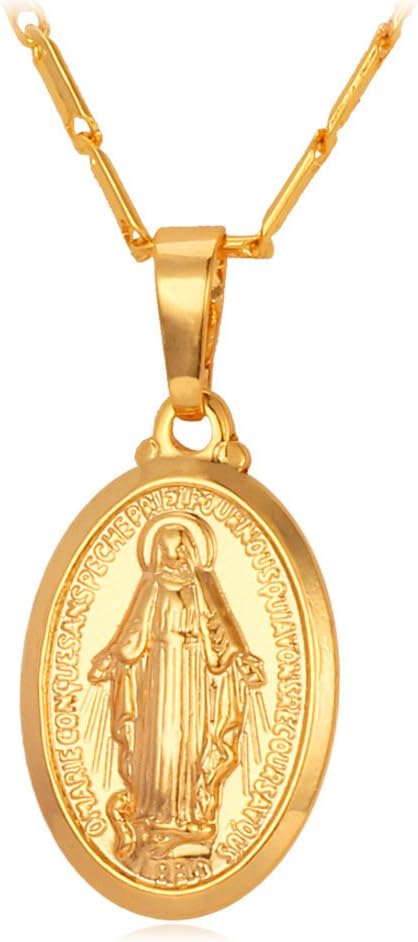
U7 Virgin Mary Necklace for Women,18K Gold Plated/Sterling Silver
18K Gold Plated / Baño de Oro 18K con acabado de orfebrería fina.
Prime Delivery Guaranteed
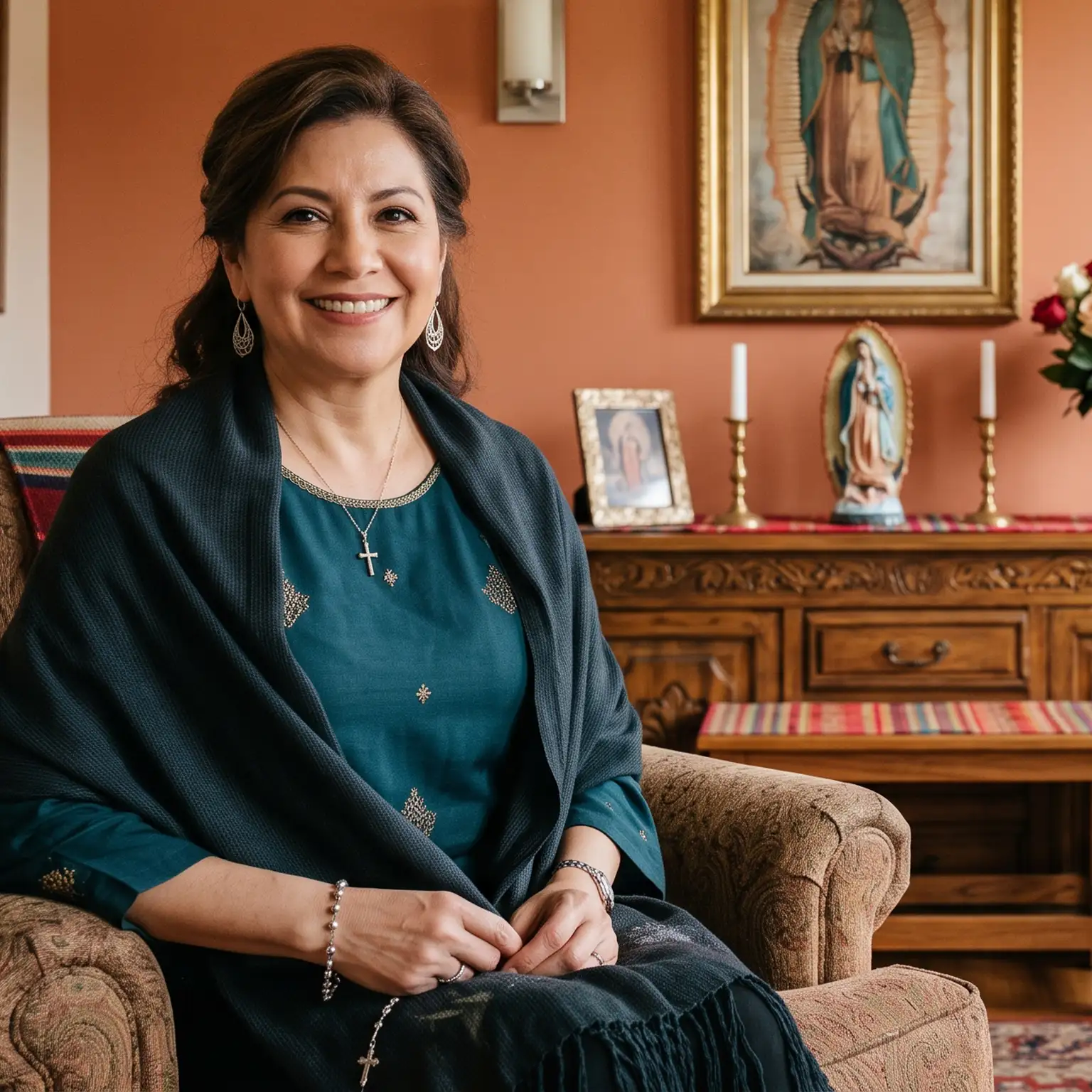
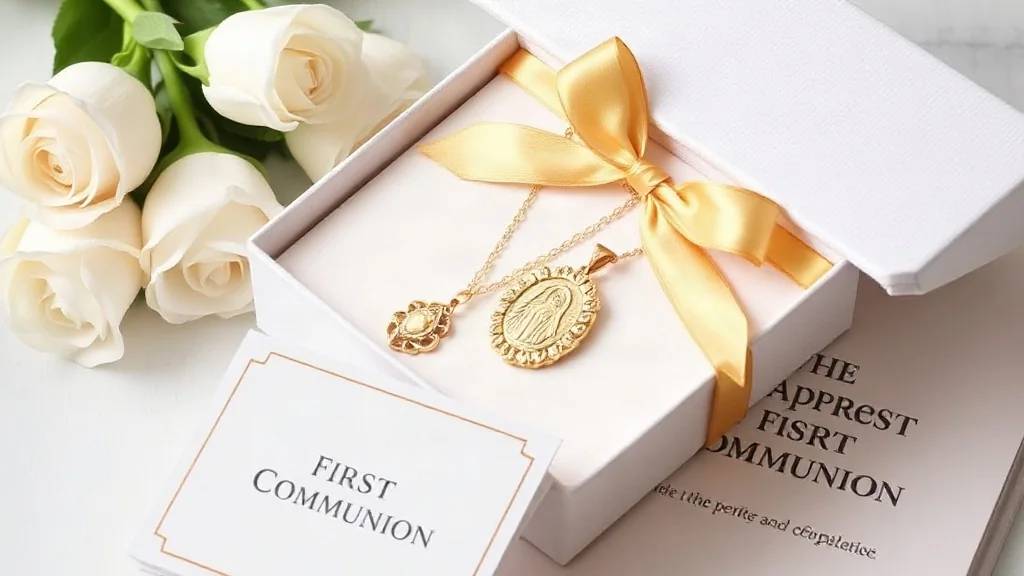
The act of offering a devotional object dedicated to Our Lady of Guadalupe for Mother's Day or to a grandmother transcends the mere exchange of a material gift; it is a profound liturgical and emotional gesture rooted in the concept of spiritual filiation. In the heart of Catholic piety, particularly within the Hispanic tradition, the image of the *Virgen Morena* is not simply an icon of religious art, but a living presence of maternal protection. When a son, daughter, or grandchild presents a Guadalupe-themed gift, they are invoking the celestial motherhood of Mary to envelop their earthly mother or grandmother. This gesture acknowledges that while earthly motherhood is a reflection of divine love, the intercession of the Virgin provides a supernatural layer of security, solace, and hope that sustains the family unit across generations. The spiritual significance of such a gift is encapsulated in the tender, reassuring question posed by the Virgin to Saint Juan Diego: "¿No estoy yo aquí que soy tu madre?" (Am I not here, I who am your mother?). For a mother or a grandmother, receiving a medal, a rosary, or a sacred image of Guadalupe is a reminder that they are not alone in their vocation of care and sacrifice. It transforms the object into a "sacramental"—a sacred sign that prepares the soul to receive grace. Whether it is a delicate gold pendant worn close to the heart or a framed lithograph presiding over the living room, these gifts serve as anchors of faith, reminding the matriarch of the family that her own maternal love is mirrored and magnified by the Queen of Heaven, creating a bridge of devotion that links the domestic church to the universal Church.
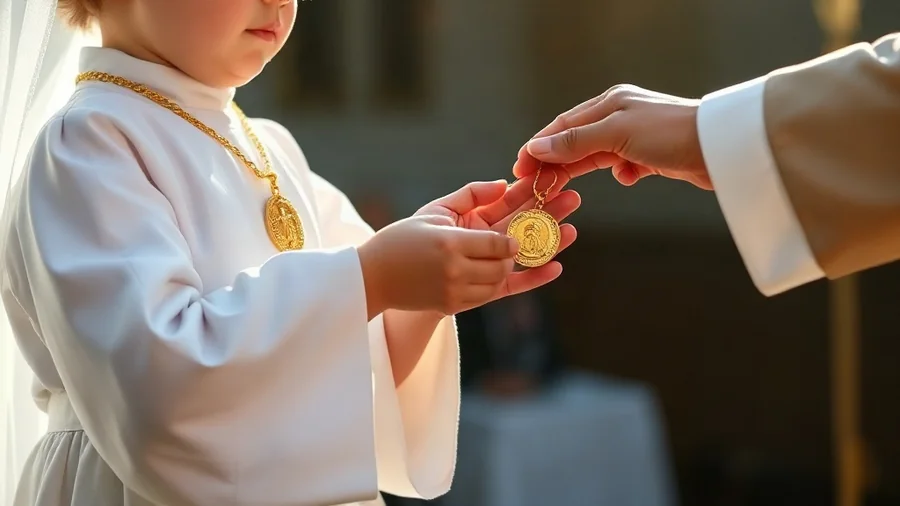
The genesis of the Guadalupe devotion begins in December 1531 on the hill of Tepeyac. According to sacred tradition, the Virgin Mary appeared to the indigenous peasant Juan Diego Cuauhtlatoatzin, requesting the construction of a temple in her honor. The culmination of these apparitions was the miraculous imprint of her image upon the *tilma* (cloak) of Juan Diego. This event was not merely a local phenomenon but a pivotal moment in the spiritual conquest of the New World, blending indigenous identity with Catholic dogma. The image, characterized by its unique iconography—the woman clothed with the sun, the moon beneath her feet, and the stars surrounding her mantle—became the primary catalyst for the mass conversion of millions in the Americas, establishing a maternal bond between the Divine and the newly evangelized peoples.
Throughout the 16th to 18th centuries, the devotion evolved from a local cult to a national identity. The image of Guadalupe became the central symbol of the Viceroyalty of New Spain, integrating itself into the daily life of every social stratum. During this era, the production of sacred art flourished, and the first iterations of Guadalupe-themed jewelry and home altars began to appear. The Basilica of Guadalupe emerged as the epicenter of this pilgrimage, where the "original image" served as the prototype for countless reproductions. The transition from the colonial era to the modern Mexican state did not diminish this fervor; rather, it solidified the Virgin as the "Empress of the Americas," making her image an indispensable element of family heritage and a standard gift for marking significant life transitions and familial celebrations.
In the modern era, the expression of this devotion has expanded into highly refined forms of religious jewelry and liturgical art. A notable contemporary example occurred in 2016 during the Papal visit to Mexico, where a magnificent diadem of gilded silver was offered to the Virgin. This piece, inscribed with the Latin phrase "Madre mía, esperanza mía" (My Mother, my hope), exemplifies the continuity of sacred goldsmithing. It demonstrates that the offering of precious metals to the Virgin is not an act of vanity, but a traditional form of "ex-voto" or gratitude, where the nobility of the material reflects the nobility of the spiritual relationship. This tradition of offering high-quality jewelry to the Virgin informs the modern practice of gifting fine jewelry to mothers and grandmothers as a sign of highest esteem.
Today, the devotion is maintained through a sophisticated network of artisans and official ecclesiastical channels. The official store of the Basilica of Guadalupe continues to produce articles that are not merely commercial products but "original" devotional objects crafted by Mexican artisans and religious communities. This ensures that the iconography remains faithful to the original tilma. From the simple resin statuettes used in home prayer corners to the complex gold-plated lithographs, the chronology of Guadalupe gifts reflects a journey from a miraculous cloak in the 16th century to the refined, globalized devotional market of the 21st century, always maintaining the core essence of maternal tenderness and divine protection.
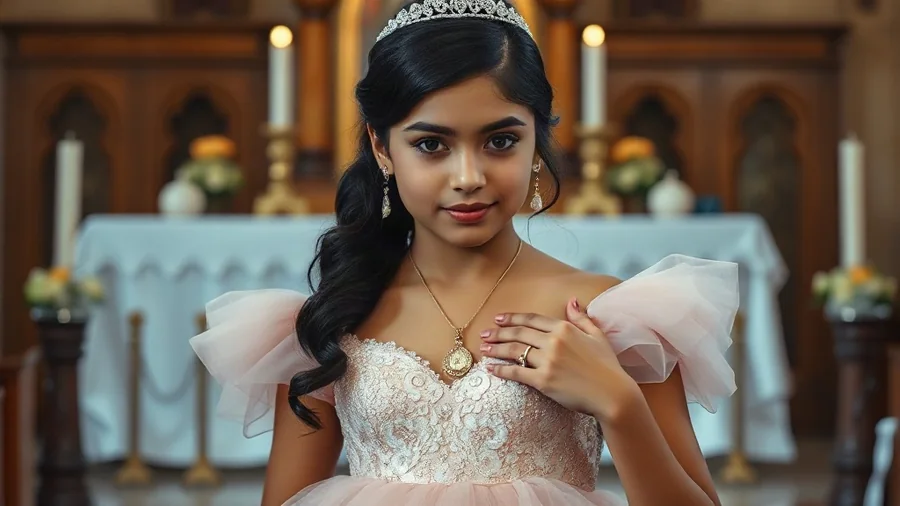
Theologically, the figure of Our Lady of Guadalupe is an embodiment of the *Theotokos* (God-bearer) adapted to the cultural and spiritual needs of the Americas. The central theological pillar of this devotion is the concept of "Spiritual Motherhood." When we gift a Guadalupe image to a mother or grandmother, we are acknowledging the Marian archetype of the "Mother of all." The phrase "¿No estoy yo aquí que soy tu madre?" is not merely a comforting sentence; it is a theological assertion of Mary's perpetual intercession. For a grandmother, who often serves as the spiritual pillar and memory-keeper of the family, this symbolism is particularly potent. She becomes the earthly conduit of the Virgin's tenderness, and the gift serves as a validation of her role as a nurturer of faith across generations.
The iconography of the Guadalupe image is rich with apocalyptic and biblical symbolism, drawing heavily from the Book of Revelation. The "Woman clothed with the sun" signifies her intimacy with Christ, the Light of the World. The moon beneath her feet symbolizes her victory over the temporal and the ephemeral, while the stars in her mantle represent the heavens she now governs as Queen. For a mother, these symbols offer a profound message of hope: that despite the trials of earthly existence and the burdens of motherhood, there is a celestial order and a divine protection that transcends human suffering. The gift of a Guadalupe medal is thus a silent prayer, reminding the recipient that she is shielded by the same mantle that protects the entire Church.
Furthermore, the Catholic understanding of these gifts avoids the error of idolatry by emphasizing the role of "intercession." In Marian theology, Mary does not replace God but leads the believer toward Him (*Ad Iesum per Mariam*). Therefore, a Guadalupe pendant or rosary is not an object of worship, but a "visual prayer." For a grandmother, who may spend significant portions of her day in contemplation or the recitation of the Holy Rosary, these objects are tools of spiritual discipline. They act as tangible reminders of the promise of salvation and the certainty that her prayers for her grandchildren are heard and amplified by the Mother of God.
Finally, the act of gifting these items for Mother's Day creates a "sacred cycle" of love. The child honors the mother, the mother honors the Virgin, and the Virgin intercedes for the family. This creates a theological loop of grace. The gift becomes a symbol of "filiation"—the recognition that we are all children of God and, by extension, spiritual children of Mary. In the context of a grandmother, the gift often represents the transmission of a legacy. When a grandmother passes down a Guadalupe medal to her granddaughter, she is not passing down a piece of jewelry, but a spiritual inheritance, a tradition of trust in the Divine, and a lifelong commitment to the protection of the Most Holy Virgin.
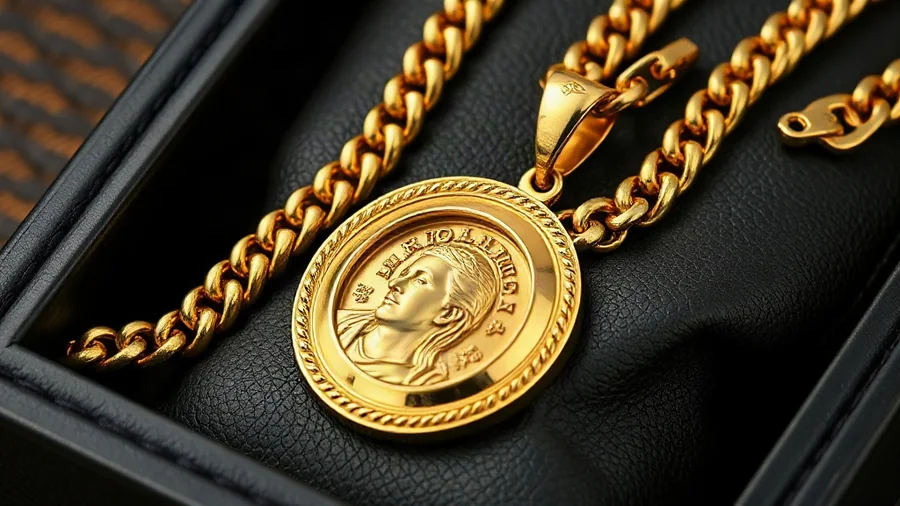
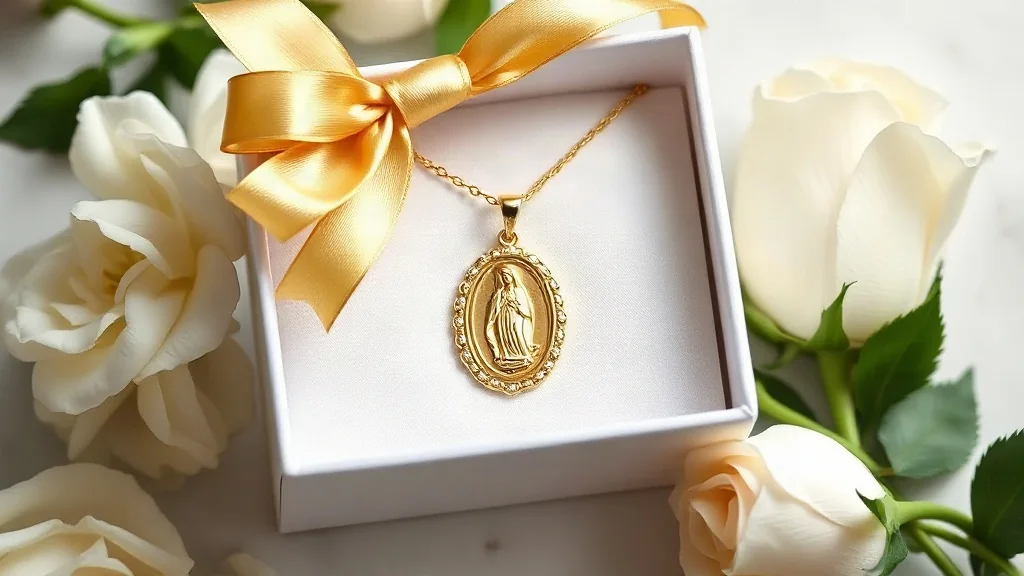
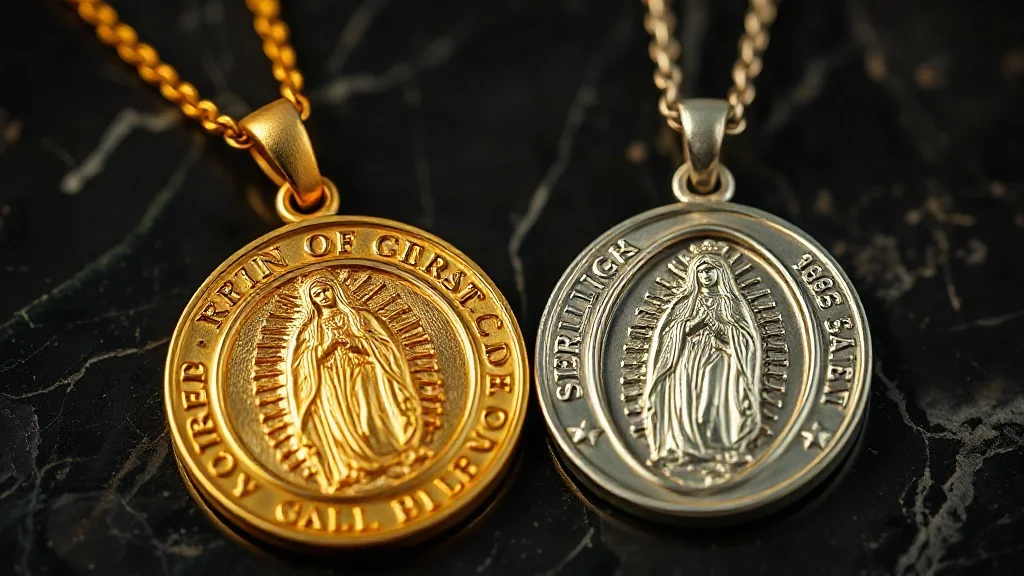
From the perspective of a curator of sacred jewelry, the selection of materials for a devotional gift is paramount, as the physical quality of the object should reflect the spiritual value of the devotion. For a Mother's Day gift intended to become a family heirloom, 14K gold and .925 sterling silver are the gold standards of religious goldsmithing. Gold, historically associated with the Divine and the Eternal, is the ideal choice for a pendant or medal that will be worn daily. 14K gold offers the perfect balance between the purity of the metal and the durability required for everyday wear, ensuring that the intricate details of the Virgin's mantle and the rays of the sun do not erode over time.
Sterling silver (.925) is equally significant, often representing purity and the lunar aspect of the Virgin's iconography. In high-end devotional jewelry, silver is frequently paired with "mother-of-pearl" (madre perla) or blue zircons to evoke the celestial colors of the Guadalupe image. The use of mother-of-pearl is particularly symbolic for gifts for grandmothers, as the organic, iridescent nature of the material mirrors the softness and wisdom of age. When selecting a piece, one must look for the "hallmark"—the official stamp of purity—which guarantees that the piece is not merely plated but composed of precious metal. This authenticity is crucial, as a sacred object should be honest in its composition, just as the faith it represents is honest in its truth.
The craftsmanship of the piece also determines its devotional value. A high-quality Guadalupe medal should exhibit "deep relief" (alto relieve), where the figure of the Virgin is distinct and three-dimensional, rather than a flat, stamped image. The finest pieces are often created through "lost-wax casting" or precision engraving, allowing for the delicate depiction of the roses at the Virgin's feet and the precise folds of her turquoise mantle. For those seeking a more contemporary yet durable option, stainless steel with a 14K gold plating is an excellent choice for daily use, though for a grandmother's legacy piece, solid gold or silver remains the superior choice due to its intrinsic value and timelessness.
Care for these sacred heirlooms is as important as their selection. Devotional jewelry, especially pieces containing gemstones or organic materials like mother-of-pearl, should be cleaned with soft cloths and mild solutions to avoid damaging the patina. Because these items are often worn during prayer or placed on home altars, they may accumulate oils and dust. Proper curation involves treating the jewelry not as a fashion accessory, but as a liturgical object. By choosing high-quality metals and ensuring proper maintenance, the gift evolves from a simple Mother's Day present into a "sacred relic" of the family, capable of being passed from mother to daughter to granddaughter for centuries to come.
18K Gold Plated / Baño de Oro 18K con acabado de orfebrería fina.
Prime Delivery Guaranteed
Stainless Steel / Acero Inoxidable con acabado de orfebrería fina.
Prime Delivery Guaranteed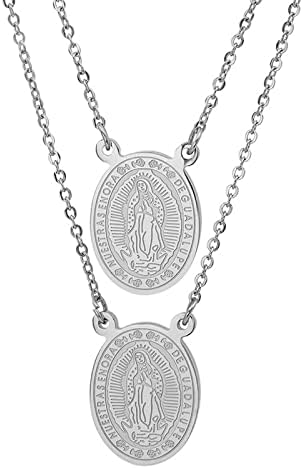
18K Gold Plated / Baño de Oro 18K con acabado de orfebrería fina.
Prime Delivery GuaranteedWhen selecting a Guadalupana piece, always prioritize certified precious metals (solid nickel-free 14K gold or Italian 925 sterling silver). Upon receiving it, take it to your parish priest for a traditional Catholic blessing to consecrate it as an enduring sacramental of protection.

18K Gold Plated / Baño de Oro 18K con acabado de orfebrería fina.
Prime Delivery Guaranteed
Gold Plated / Chapa de Oro con acabado de orfebrería fina.
Prime Delivery Guaranteed
925 Sterling Silver / Plata de Ley 925 con acabado de orfebrería fina.
Prime Delivery GuaranteedThe appropriateness of a Guadalupe gift lies in the intersection of the Virgin's specific message of maternal tenderness and the lived experience of mothers and grandmothers. Unlike other Marian advocations, Our Lady of Guadalupe specifically emphasizes her role as a comforting mother who asks, "¿No estoy yo aquí que soy tu madre?" This direct address resonates deeply with women who have spent their lives providing that same comfort to their own children. For a mother, the gift is a recognition of her tireless love; for a grandmother, it is a tribute to her role as the spiritual matriarch. Furthermore, the cultural weight of the *Virgen Morena* provides a sense of identity and belonging. In many families, the devotion to Guadalupe is the "golden thread" that connects different generations. Gifting an image or a piece of jewelry is a way of saying, "I recognize the sacredness of your role in my life, and I place you under the protection of the greatest Mother of all." It transforms a commercial holiday into a spiritual event, centering the celebration on faith, gratitude, and the eternal bond of family.
Yes, it is highly recommended to have a devotional object blessed by a priest. In Catholic tradition, a blessing is a prayer that sets the object apart for a sacred purpose, transforming a piece of jewelry into a sacramental. While the object itself does not possess magical powers, the blessing invokes the Holy Spirit to assist the wearer in their prayer life and to remind them of God's presence. Bringing a Guadalupe medal or a home image to a parish priest for a simple blessing adds a layer of spiritual intentionality to the gift, making it a true instrument of grace. Regarding authenticity, one should always look for the hallmark (the small engraved stamp) on the clasp or the back of the medal. For silver, look for ".925"; for gold, look for "14K" or "585." If purchasing from a specialized sacred art workshop or the official Basilica store, request a certificate of authenticity. This is particularly important for pieces featuring mother-of-pearl or precious stones, as it ensures that the materials are genuine and that the craftsmanship meets the standards of religious orfebrería.
The choice depends on the grandmother's lifestyle and her primary mode of devotion. If she is active and enjoys the feeling of constant protection, a wearable piece—such as a gold medal or a "rosary necklace"—is ideal. These items serve as "portable sanctuaries," allowing her to feel the presence of the Virgin throughout her day. For grandmothers who value the tradition of the "domestic church," a home item such as a framed gold-plated lithograph, a bronze statue, or a blessed door medallion is more appropriate. These items create a focal point for family prayer and serve as a visual reminder of faith for all who enter the home. A thoughtful approach is to combine both: a small, delicate medal for her to wear and a beautiful image for her prayer corner. This covers both the personal and the communal aspects of her faith. When selecting, consider the "ergonomics" of the gift; for elderly grandmothers, ensure that necklaces have secure, easy-to-use clasps and that home images are placed at a height where they can be easily seen and venerated without physical strain.
In an era of increasing secularization, the gift of a sacred object acts as a "spiritual anchor" for the family. When a child gives a Guadalupe rosary to their mother or grandmother, they are not just giving an object; they are initiating or reinforcing a habit of prayer. These objects often become the catalyst for shared spiritual moments—such as the family gathering to pray the Rosary on December 12th or during a time of family crisis. The object becomes a tangible link to the faith of the ancestors, bridging the gap between the traditional piety of the grandmother and the modern faith of the grandchildren. Moreover, these gifts create a "sacred memory." Years from now, a granddaughter may look at a silver Guadalupe medal and remember the faith of her grandmother who wore it. This transforms the jewelry into a legacy of devotion. By integrating sacred art into the family's material culture, we ensure that the conversation about God, Mary, and the saints remains open and active. The gift becomes a silent teacher, testifying to the importance of faith, the beauty of the Church, and the enduring power of maternal love, both earthly and divine.
Affiliate Disclosure: As an Amazon Associate, this devotional portal earns from qualifying purchases at zero additional cost to you.
Find the perfect sacred piece in 3 simple steps
Handpicked based on your preferences and occasion