Laura's Selection
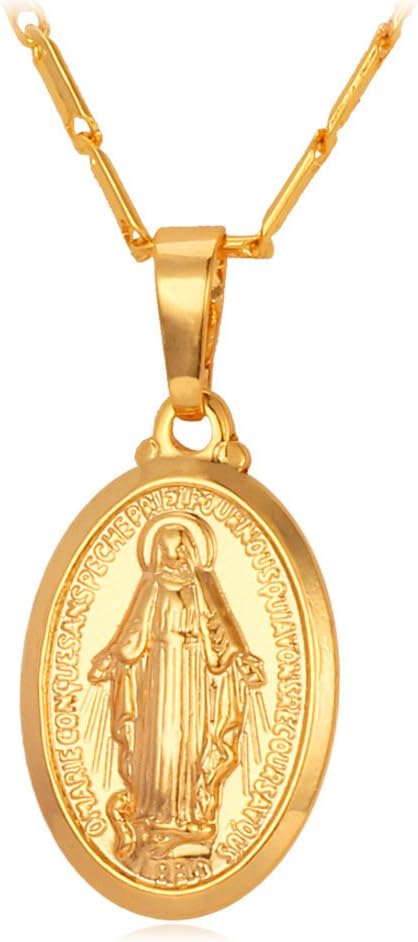
U7 Virgin Mary Necklace for Women,18K Gold Plated/Sterling Silver
18K Gold Plated / Baño de Oro 18K con acabado de orfebrería fina.
Prime Delivery Guaranteed
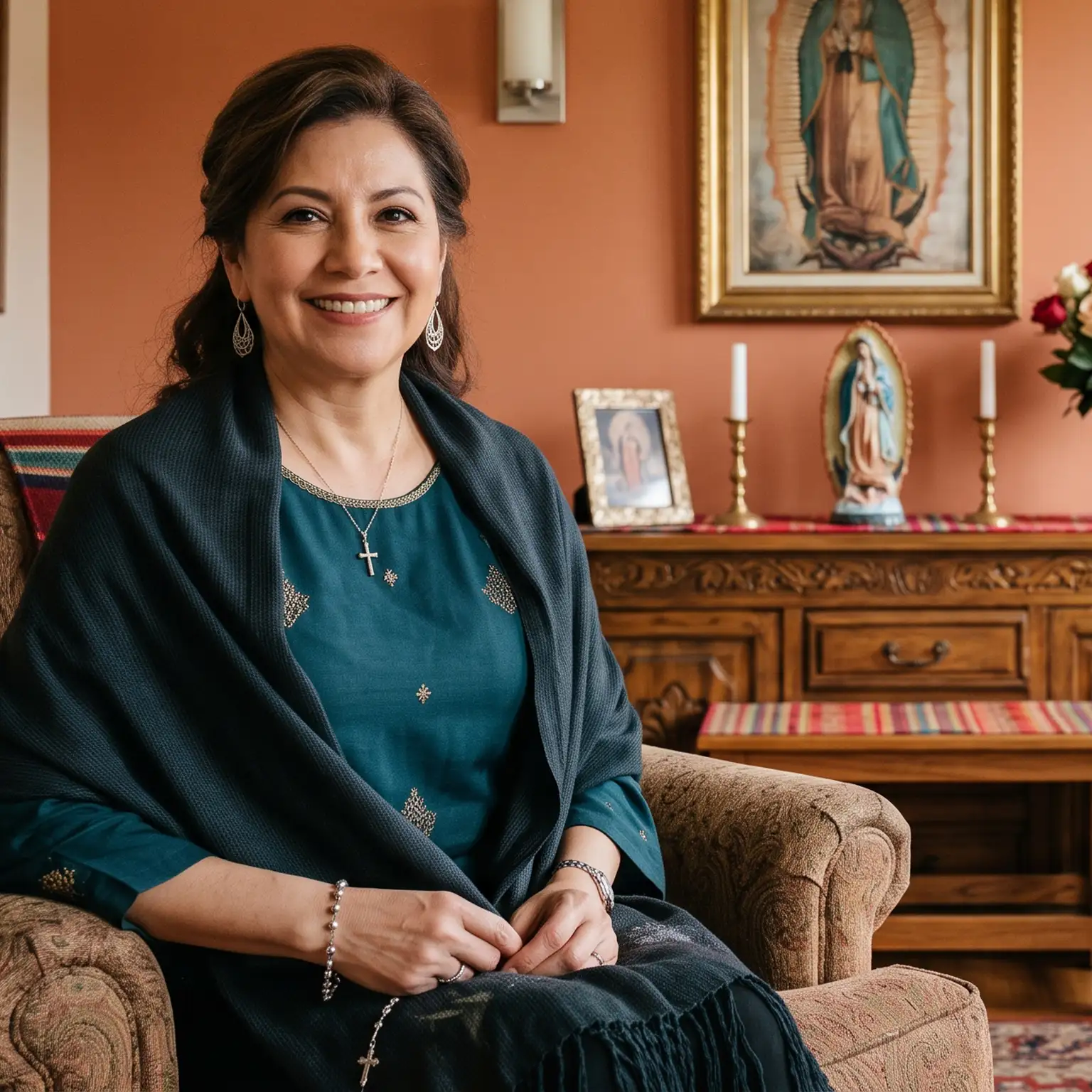
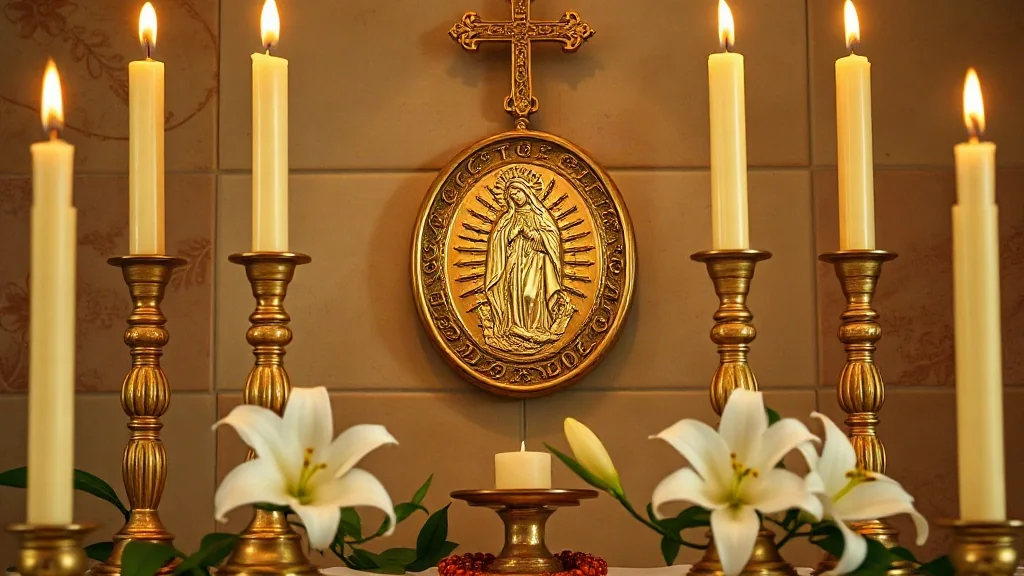
The celebration of a Quinceañera represents far more than a mere social milestone or a transition into young adulthood; it is a profound rite of passage deeply embedded in the spiritual fabric of the Hispanic Catholic identity. Within this sacred context, the gifting of a medal of Our Lady of Guadalupe transcends the realm of mere jewelry to become a tangible manifestation of divine grace, maternal protection, and ancestral continuity. For a young woman stepping into a new stage of her life, the medal serves as a spiritual anchor, a constant reminder that she does not walk her path alone, but is enveloped in the celestial mantle of the Empress of the Americas. This devotional object acts as a bridge between the earthly celebration and the heavenly intercession, transforming a festive occasion into a moment of consecrated commitment to the faith. From a curatorial and devotional perspective, the Guadalupe medal is an emblem of identity and belonging. It encapsulates the synthesis of indigenous roots and Catholic theology, reflecting a faith that is both universal and intimately local. When a godparent or parent places this medal around the neck of a Quinceañera, they are not simply offering a precious metal; they are transmitting a legacy of trust in the Virgin Mary. The spiritual significance lies in the concept of "sacramental" use—where a physical object, though not a sacrament itself, prepares the soul to receive grace and recalls the promises of God. In the silence of prayer and the noise of the celebration, the medal remains a silent witness to the young woman's dignity as a daughter of God and a devotee of the Most Holy Virgin.
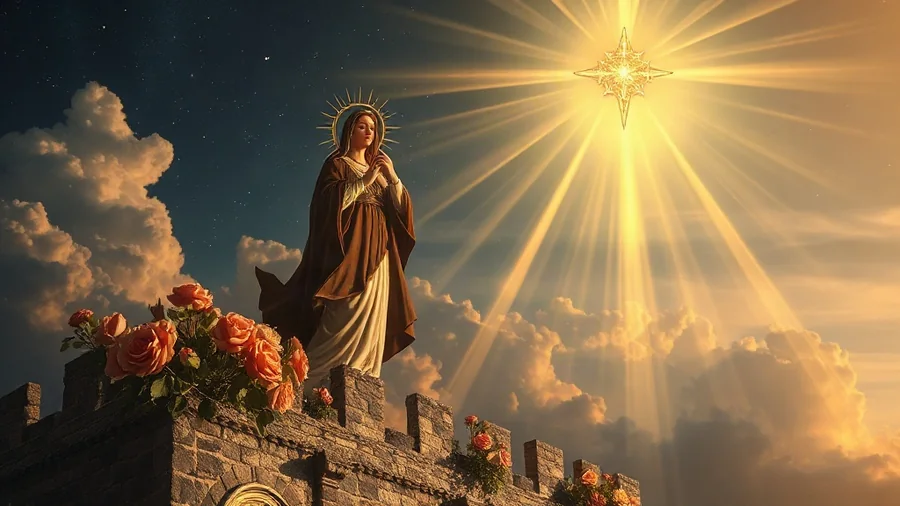
The genesis of this devotion is rooted in the winter of 1531, on the hill of Tepeyac in the Valley of Mexico. According to ecclesiastical tradition and historical records, the Virgin Mary appeared to an indigenous convert named Juan Diego Cuauhtlatoatzin. These apparitions were not merely visions of comfort but were strategic divine interventions aimed at the evangelization of the New World. The climax of these encounters occurred when the Virgin requested that Juan Diego gather roses—out of season and in a barren land—within his *tilma* (cloak). Upon presenting these flowers to the Bishop of Mexico, the cloak unfolded to reveal the miraculous image of the Virgin, imprinted not by human hands, but by divine will. This event established the Guadalupe image as a primary source of hope and a catalyst for the mass conversion of millions in the Americas.
Throughout the 16th and 17th centuries, the devotion to Our Lady of Guadalupe evolved from a local phenomenon into a cornerstone of the Spanish Empire's religious identity in the West. The image became a symbol of liberation and protection for the oppressed, blending the maternal tenderness of Mary with the strength of a patroness. By the time the Catholic Church formally recognized her as the Patroness of Mexico, the Americas, and the Philippines, the practice of creating small-scale replicas of the image—first in prints and later in precious metals—had become a widespread devotional practice. The transition from the *tilma* to the medal allowed the faithful to carry the "presence" of the Virgin with them, effectively miniaturizing a cathedral-sized devotion into a portable, intimate token of faith.
The liturgical calendar solidified the 12th of December as the feast day of Our Lady of Guadalupe, a date that remains one of the most significant religious observances in the Hispanic world. Over the centuries, this date has served as a focal point for the renewal of vows and the gifting of religious articles. The tradition of giving Guadalupe medals during Quinceañeras emerged as a natural extension of this liturgical devotion, aligning the young woman's personal "feast day" of maturity with the maternal protection of the Virgin. This historical trajectory demonstrates a movement from the miraculous event of 1531 to a structured religious tradition, and finally to a personalized family ritual that persists in the 21st century.
In the contemporary era, the Guadalupe medal has transcended national borders, following the diaspora of Hispanic communities across the globe. Whether in the United States, Europe, or Asia, the medal continues to be the preferred gift for Quinceañeras because it represents a "spiritual passport." It connects the young woman to her heritage, regardless of where she was born. The historical continuity of this practice—from the humble ayate of Juan Diego to the high-jewelry gold medals of today—underscores the enduring power of the Guadalupe image as a symbol of divine accompaniment through the various stages of human existence.
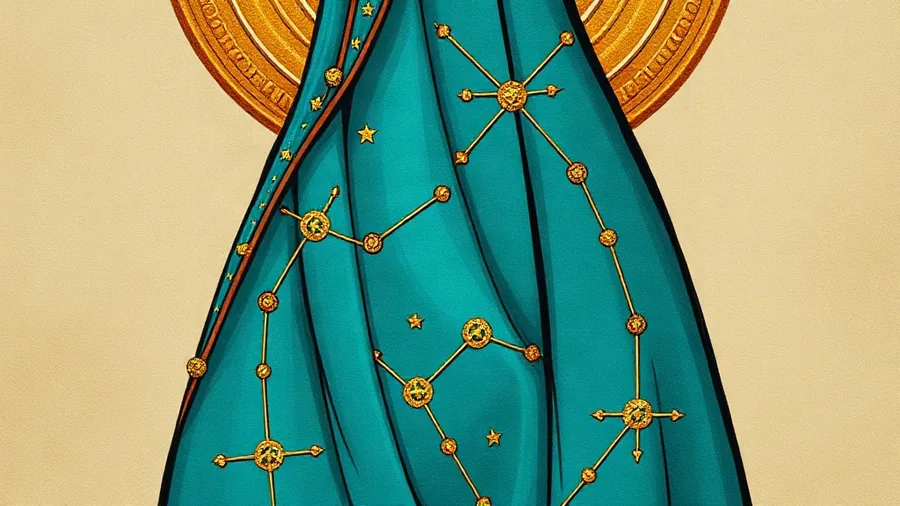
Theologically, the medal of Our Lady of Guadalupe is an expression of the doctrine of Mary as *Mediatrix* and *Intercessor*. In Catholic theology, Mary does not replace the role of Christ but points toward Him; she is the "Star of the Sea" who guides the believer to the harbor of salvation. For a Quinceañera, the medal symbolizes this intercessory role. By wearing the image of the Virgin, the young woman acknowledges her need for a spiritual mother who can advocate for her before the throne of God. The medal is thus a visual prayer, a constant plea for the Virgin to guide her steps, protect her purity, and strengthen her resolve in the face of the temptations and challenges of adolescence and adulthood.
The symbolism within the image itself—which is meticulously replicated in the finest medals—is a theological treatise in miniature. The rays of the sun surrounding the Virgin signify that she is clothed with the sun, indicating her glory and her proximity to the Divine Light. The moon beneath her feet symbolizes her victory over the temporal world and the cycles of change, offering the Quinceañera a sense of stability and eternal hope. The stars on her mantle represent the heavens, suggesting that the Virgin’s protection is cosmic and all-encompassing. For the young woman, these symbols serve as a reminder that her life is part of a larger, divine plan, and that she is protected by a love that transcends the physical realm.
Furthermore, the posture of the Virgin in the Guadalupe image—with hands joined in prayer and eyes cast downward in humility—offers a profound moral lesson for the Quinceañera. At a time when society often emphasizes outward appearance and social status, the medal reminds the young woman that true beauty and strength are found in humility and service. The "maternal protection" often cited in devotional texts is not a passive shield, but an active invitation to emulate Mary's *Fiat*—her "yes" to God. The medal, therefore, becomes a call to vocation, encouraging the young woman to say "yes" to her own spiritual growth and to her responsibilities within the Church and her community.
Finally, the act of wearing the medal constitutes a public profession of faith. In a secularized world, choosing to wear a religious symbol is an act of courage and identity. The medal functions as a "sacramental," an object that, through the blessing of the Church, disposes the wearer to receive grace. It is not the metal itself that possesses power, but the faith of the wearer and the grace of God channeled through the symbol. For the Quinceañera, the medal is a spiritual armor, a reminder that she is a daughter of the King of Kings, protected by the most powerful woman in existence, the Queen of Heaven.
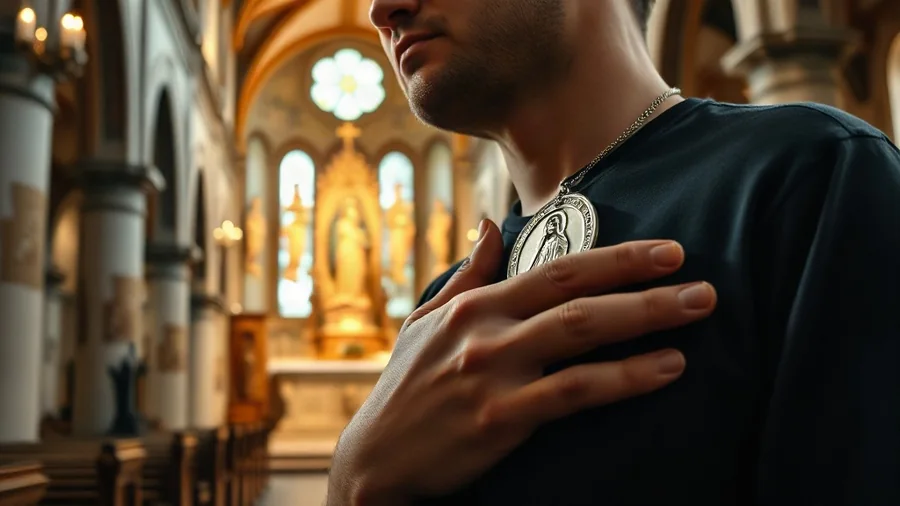
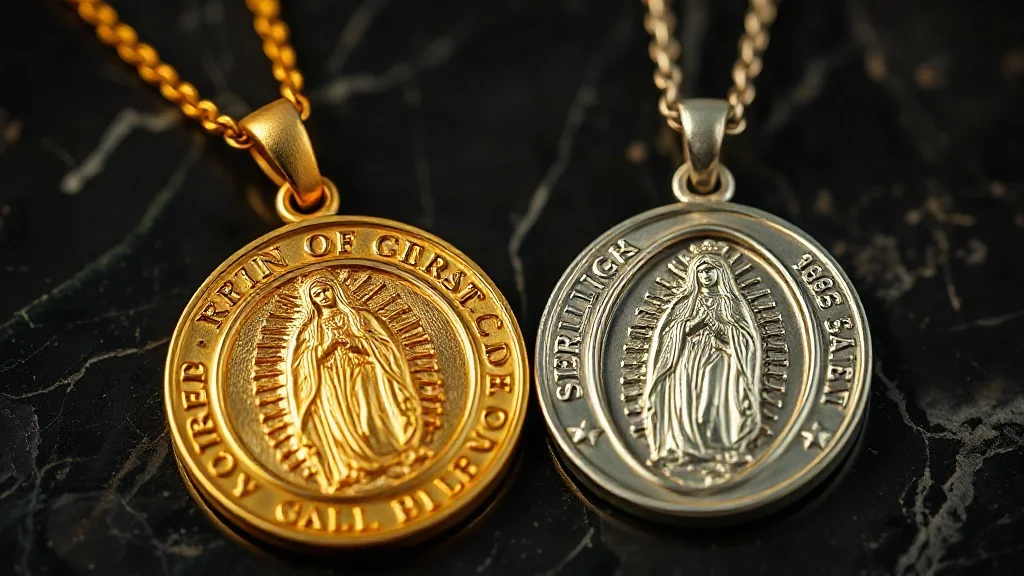
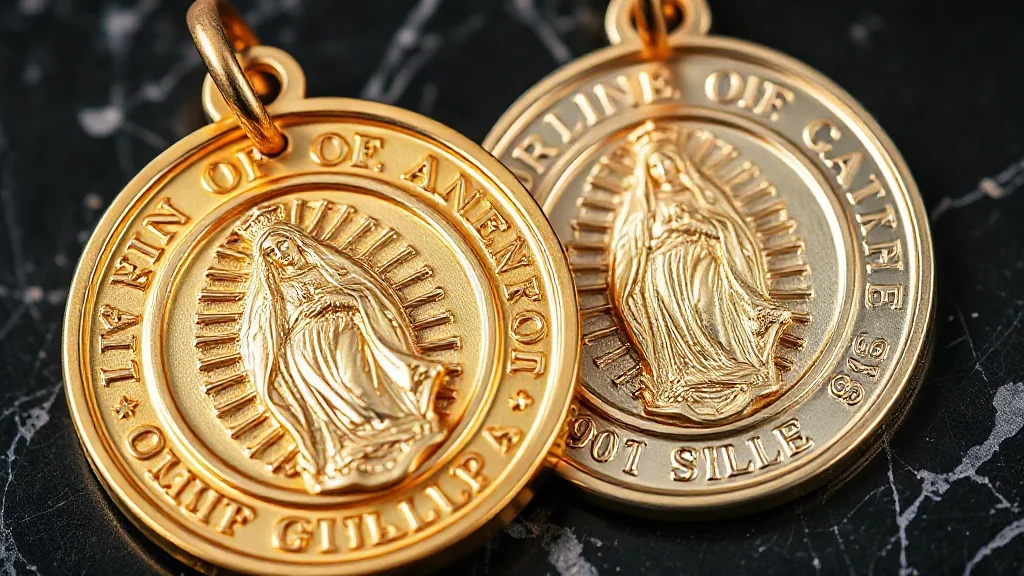
From the perspective of a curator of sacred jewelry, the selection of materials for a Guadalupe medal is not merely a matter of budget, but a reflection of the intention and the intended longevity of the piece. The most prestigious choice is 18K or 14K yellow gold. Gold, throughout history, has been the metal of the divine, symbolizing purity, eternity, and the incorruptibility of the soul. A 14K gold medal is particularly suited for a Quinceañera because it offers a perfect balance between the rich, warm hue of pure gold and the structural durability required for daily wear. The hallmarks—the small stamps indicating the purity of the metal—are essential certifications of authenticity, ensuring that the piece will remain a family heirloom for generations without tarnishing or degrading.
Sterling silver (925 Silver) is the classic alternative, deeply rooted in the colonial silver mines of Mexico and the artistic tradition of the *platería*. Silver symbolizes the lunar, reflective quality of Mary—just as the moon reflects the light of the sun, Mary reflects the light of Christ. For many families, a silver medal is preferred for its understated elegance and its purity. From a technical standpoint, .925 silver requires specific care, such as polishing with a soft cloth to remove oxidation, which in itself can become a ritual of care and reflection for the young woman as she maintains her devotional object.
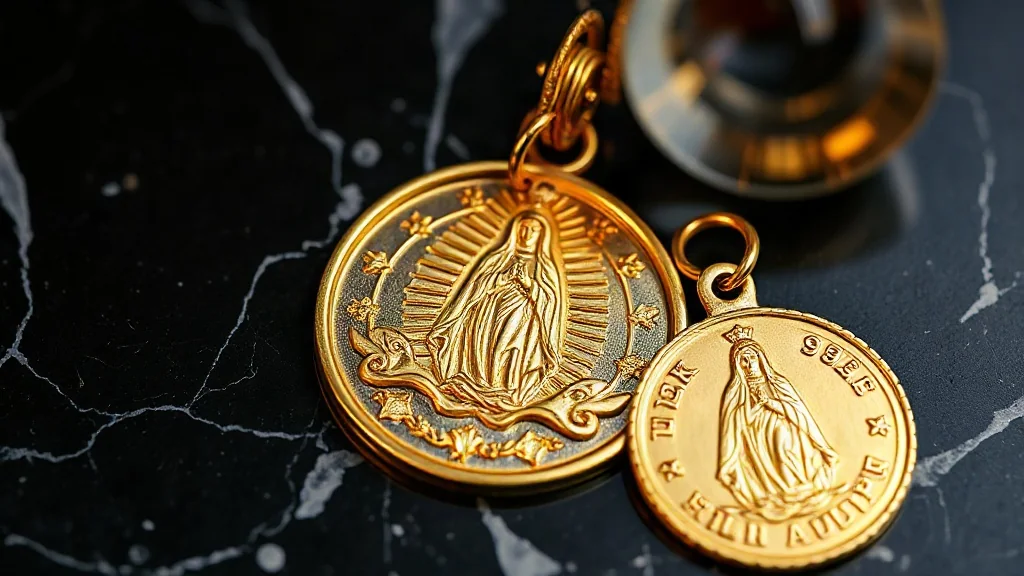
The craftsmanship of these medals often involves a combination of die-striking and hand-finishing. High-quality medals utilize a "deep relief" or *alto relieve* technique, which gives the image of the Virgin a three-dimensional quality, allowing the folds of her mantle and the expression of her face to emerge with lifelike detail. Some contemporary pieces incorporate "combined gold" (10K or 14K) with zirconia or small diamonds to highlight the stars of the mantle or the rays of the sun. While these additions add aesthetic brilliance, the curator's eye always looks for the balance between ornament and iconography; the sacred image must never be overshadowed by the jewelry's brilliance.
Preserving these pieces as heirlooms requires a commitment to both physical and spiritual maintenance. A gold or silver medal should be stored in a lined jewelry box to prevent scratches, but its true preservation happens through the act of wearing and praying. When a medal is passed from a grandmother to a granddaughter, it carries with it the "spiritual patina" of previous generations' prayers. The choice of a sturdy chain—such as a curb or cable chain in matching metal—is crucial to ensure the medal is not lost. Ultimately, the gold or silver is but the vessel; the true value of the piece lies in the blessing it carries and the memories of the Quinceañera's transition into a woman of faith.
18K Gold Plated / Baño de Oro 18K con acabado de orfebrería fina.
Prime Delivery Guaranteed
Stainless Steel / Acero Inoxidable con acabado de orfebrería fina.
Prime Delivery Guaranteed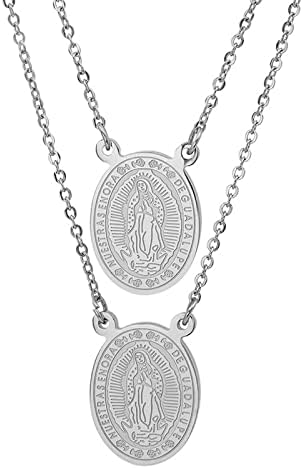
18K Gold Plated / Baño de Oro 18K con acabado de orfebrería fina.
Prime Delivery GuaranteedWhen selecting a Guadalupana piece, always prioritize certified precious metals (solid nickel-free 14K gold or Italian 925 sterling silver). Upon receiving it, take it to your parish priest for a traditional Catholic blessing to consecrate it as an enduring sacramental of protection.

18K Gold Plated / Baño de Oro 18K con acabado de orfebrería fina.
Prime Delivery Guaranteed
Gold Plated / Chapa de Oro con acabado de orfebrería fina.
Prime Delivery Guaranteed
18K Gold Plated / Baño de Oro 18K con acabado de orfebrería fina.
Prime Delivery GuaranteedWhile not a canonical requirement of the Catholic Church, the gifting of the Guadalupe medal has become a deeply entrenched cultural tradition in Mexico and among Hispanic communities worldwide. It serves as a devotional complement to the religious ceremony, often presented during the Mass or immediately following it. The tradition is rooted in the desire of the family and godparents to provide the young woman with a spiritual tool for her journey into adulthood. Beyond the religious obligation, the medal functions as a symbol of cultural identity. For many, it is the most cherished gift of the event because it represents a link to their ancestors and their homeland. Whether it is a lavish gold piece or a simple silver token, the act of giving the medal signifies a collective prayer for the girl's protection, purity, and faith, making it a spiritual cornerstone of the celebration.
Yes, it is highly recommended and traditionally practiced to have the medal blessed by a priest. In the Catholic tradition, a blessing transforms a piece of jewelry into a "sacramental." This means that the object is set apart for a holy purpose, and the blessing invokes the grace of God upon the object and, by extension, upon the person who wears it. The blessing is not a "magic spell" but a prayer that asks the Holy Spirit to accompany the wearer. Regarding metal authenticity, the blessing does not depend on whether the medal is made of 18K gold or silver; the grace of the blessing is the same regardless of the material's market value. However, for the family, ensuring the authenticity of the metal (through hallmarks and certificates) ensures that the physical vessel of the blessing will last a lifetime, allowing the sacramental value to be preserved as the piece becomes a family heirloom.
The medal is typically worn on a chain around the neck, resting near the heart, which symbolizes the internalizing of Mary's virtues and the protection of the heart's purity. Some prefer to wear it discreetly under their clothing as a private connection to the Divine, while others wear it over their dress during the ceremony as a public testimony of their faith. The selection should be based on the young woman's personal style and the family's intention—whether they seek a timeless, classic piece or a more modern design with gemstones. When selecting a medal, one should prioritize the clarity of the iconography. The image of the Virgin should be recognizable and respectful, avoiding overly stylized versions that distort the sacred proportions of the original image. A balance between size and weight is also important; the medal should be substantial enough to feel significant but not so heavy that it becomes uncomfortable for daily wear, as the goal is for the piece to become a constant companion in her spiritual life.
In an era of rapid digitalization and shifting values, the Guadalupe medal serves as a tangible point of convergence for family prayer. It often becomes the catalyst for "spiritual storytelling," where a grandmother explains to the Quinceañera the meaning of the image and the miracles experienced by previous generations. This transforms the jewelry into a vessel of oral history and shared faith, anchoring the young woman to her family's spiritual lineage. Furthermore, the medal encourages the habit of daily prayer. Many young women develop the habit of kissing the medal or clutching it during moments of anxiety or decision-making, turning a piece of jewelry into a portable sanctuary. As the years pass, this medal may one day be passed down to her own daughter or granddaughter, continuing a cycle of faith and maternal love that mirrors the relationship between the Virgin Mary and her devotees. In this way, the medal is not just a gift for a single day, but a legacy for a lifetime.
Affiliate Disclosure: As an Amazon Associate, this devotional portal earns from qualifying purchases at zero additional cost to you.
Find the perfect sacred piece in 3 simple steps
Handpicked based on your preferences and occasion