Laura's Selection

Virgin Mary Simulated Diamonds Necklace,14k Gold
14K Gold Plated / Baño de Oro 14K con acabado de orfebrería fina.
Prime Delivery Guaranteed
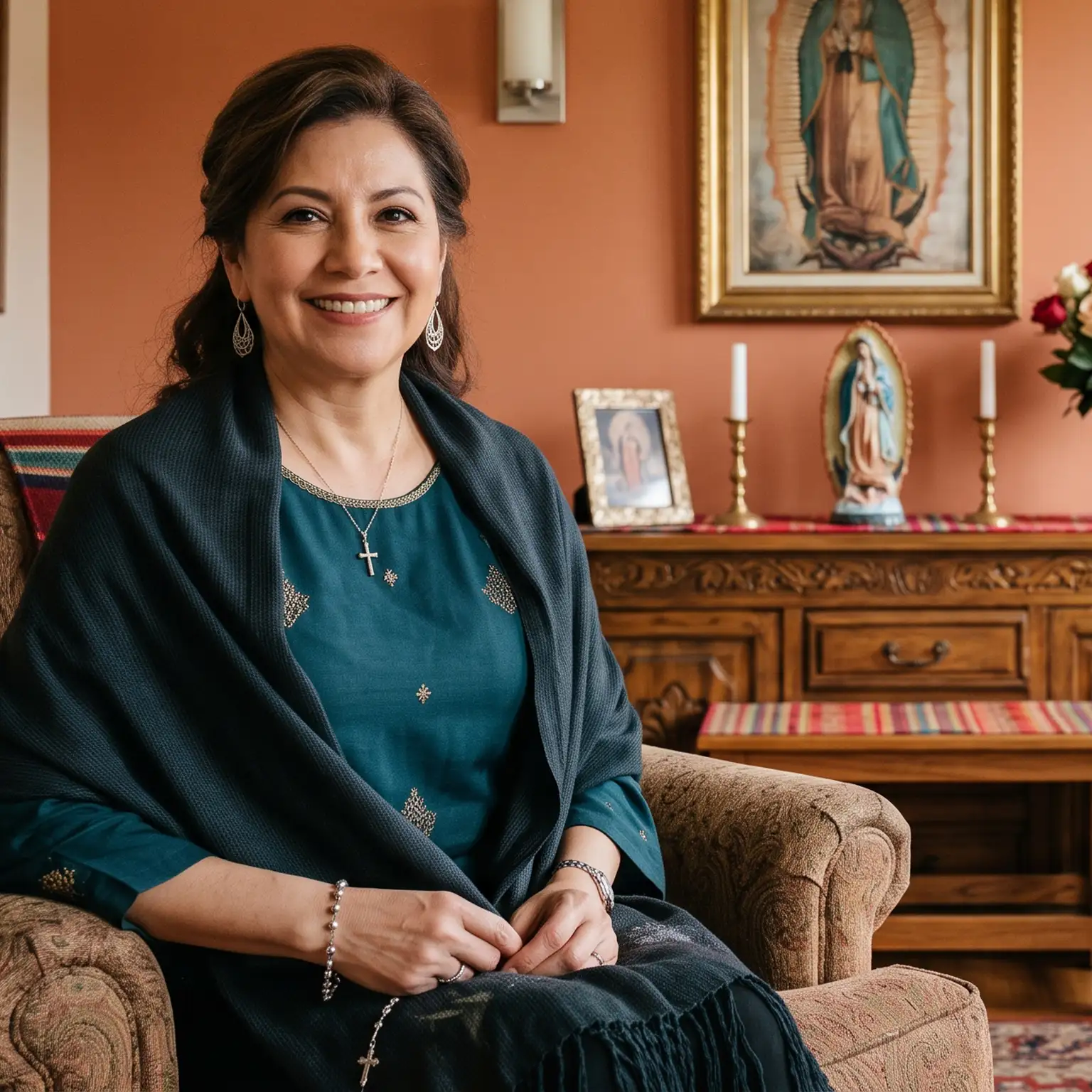
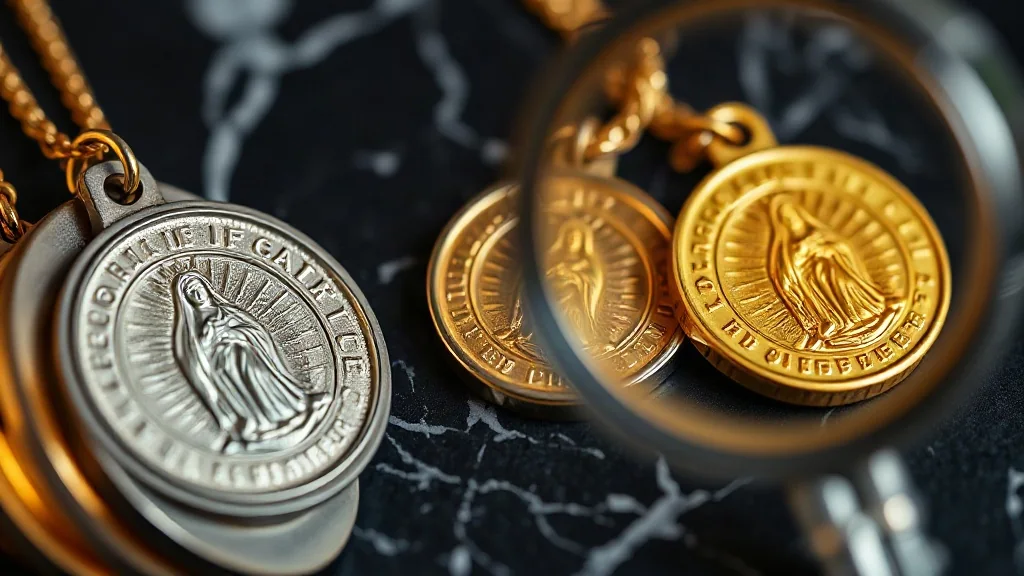
The act of wearing a devotional image, specifically the Most Holy Virgin of Guadalupe, transcends the mere acquisition of a decorative accessory; it is a profound gesture of faith, a tangible prayer, and a public witness to one's spiritual identity. In the realm of sacred jewelry, the choice of material is not merely a financial decision but a reflection of the intention behind the devotion. When a believer selects a medal of the Empress of the Americas, they are choosing a vessel for their hopes, petitions, and gratitudes. The physical durability of the piece often mirrors the desired permanence of the prayer it represents, making the technical distinction between solid gold, gold-filled, and gold-plated materials a matter of both practical stewardship and symbolic resonance. From a curatorial perspective, sacred jewelry serves as a bridge between the celestial and the terrestrial. The gold, throughout history, has been the metal of kings and the divine, symbolizing the uncorrupted light of God and the eternal nature of the soul. When this noble metal is used to depict the Virgin of Guadalupe—who appeared to Saint Juan Diego as a sign of maternal protection and divine mercy—the jewelry becomes a sacramental. Whether it is a modest gold-plated charm for a child's first communion or a heavy 14K solid gold medallion intended to be passed down through four generations, the material quality ensures that the sacred image remains preserved, reminding the wearer of the constant presence of the Mother of God in the complexities of human existence.
The history of goldsmithing dedicated to the Virgin of Guadalupe is inextricably linked to the evolution of New Spanish art and the subsequent development of Mexican identity. Following the apparitions of 1531 on the hill of Tepeyac, the devotion spread rapidly, and by the 17th and 18th centuries, the Baroque period saw a surge in the creation of "ex-votos" and sacred medals. Early colonial artisans utilized the abundance of gold and silver from the mines of Zacatecas and Guanajuato to create intricate pieces of jewelry that blended European techniques with indigenous sensibilities. These early works were almost exclusively solid gold or silver, as the concept of "plating" as we know it today did not exist; the nobility of the material was seen as a necessary offering to the dignity of the Virgin.
As we transitioned into the 19th century, the industrial revolution introduced new methods of metalworking. The emergence of electroplating in the mid-1800s—specifically the work of chemists like Luigi Brugnatelli and the subsequent refinement of the galvanization process—allowed for the democratization of sacred jewelry. For the first time, the working class could afford a medal that looked like gold, though it was merely a thin layer of gold deposited over a base metal like brass or copper. This era marked a pivotal shift in devotional practices, as the "baño de oro" (gold plating) enabled millions of devotees to carry the image of the Guadalupe near their hearts, regardless of their socioeconomic status.
The 20th century brought the standardization of "Gold-Filled" (oro laminado) technology, which sought to bridge the gap between the ephemeral nature of plating and the prohibitive cost of solid gold. By mechanically bonding a thick layer of gold to a core metal through heat and pressure, rather than a simple chemical bath, artisans created a product that could withstand the rigors of daily wear. This period saw the rise of the "1/20 14K GF" hallmark, a technical standard ensuring that at least 5% of the piece's weight was pure gold. This innovation allowed the Guadalupe medal to evolve from a luxury item for the elite into a durable heirloom for the middle class, ensuring that the devotion remained visible and intact over decades of use.
In the contemporary era, the curation of Guadalupe jewelry now involves a sophisticated understanding of metallurgy and spiritual intent. Today's goldsmiths utilize laser engraving and precision casting to capture the delicate folds of the Virgin's mantle and the rays of the sun surrounding her. The current market is segmented into three distinct tiers: the 14K solid gold for eternal legacy, the gold-filled for sustainable daily devotion, and the gold-plated for accessible, occasional use. This technical evolution reflects a broader theological movement toward inclusivity, ensuring that the "Star of the New Evangelization" is accessible to every soul, whether through a humble plated charm or a magnificent solid gold medallion.
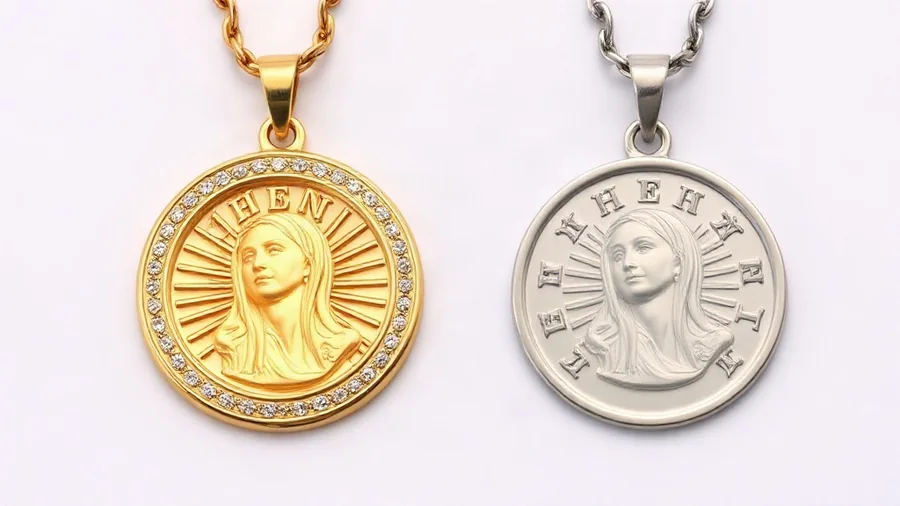
The image of the Virgin of Guadalupe is a theological synthesis of the Old and New Testaments, and when rendered in gold, this symbolism is amplified. The gold color, traditionally associated with the Divine and the Eternal, underscores the role of Mary as the "Theotokos" (God-bearer). In the Guadalupe iconography, the Virgin is surrounded by a mandorla of golden rays, symbolizing that she is clothed with the sun, a direct reference to the Woman of the Apocalypse in Revelation 12. When a devotee chooses a gold medal, they are not merely choosing a color; they are aligning themselves with the light of Christ, which Mary reflects and directs toward her children.
Furthermore, the choice of a permanent material like 14K gold speaks to the theological concept of "perpetuity." In Catholic tradition, the intercession of the Virgin is not a fleeting moment but a constant, maternal presence. A solid gold medal, which does not tarnish or fade, serves as a metaphor for the unchanging nature of Mary's love and the eternal promise of salvation. To wear a piece that resists the corrosion of time is to make a silent statement about the endurance of faith amidst the trials of a fallen world. The material stability of the gold mirrors the spiritual stability found in the Rosary and the surrender to the Divine Will.
From a Marian perspective, the Guadalupe apparition was a message of comfort: "Am I not here, I who am your Mother?" The jewelry that bears this image becomes a "sacramental"—a sacred sign that prepares the soul to receive grace. The act of touching a gold Guadalupe medal during a moment of anxiety or prayer is a physical anchor that grounds the believer in the reality of the Incarnation. The weight of the gold against the skin serves as a constant tactile reminder of the weight of grace and the responsibility of the Christian life. The nobility of the metal is thus a reflection of the nobility of the soul called to holiness.
Finally, the transition from gold-plated to solid gold in a family's history often symbolizes a spiritual journey. A child may start with a simple gold-plated medal, representing the seed of faith. As they grow in their devotion and experience the providence of God, they may acquire a gold-filled or solid gold piece, symbolizing a faith that has been refined in the fire of experience. In this way, the metallurgy of the jewelry maps the interior life of the believer. The gold is not an end in itself, but a pointer toward the "True Gold" of the Kingdom of Heaven, reminding us that while earthly metals are precious, the grace of God is the only treasure that truly lasts forever.
In the rigorous discipline of sacred goldsmithing, the distinction between 14K solid gold, gold-filled, and gold-plated is defined by the structural integrity of the piece. 14K gold is an alloy consisting of approximately 58.3% to 58.5% pure gold, blended with metals such as copper and silver to provide the hardness necessary for intricate detailing. In a Guadalupe medal, this alloy is crucial because pure 24K gold is too soft to maintain the sharp relief of the Virgin's features and the delicate stars on her mantle. A 14K piece is an investment in permanence; it can be polished, resized, and repaired indefinitely without losing its intrinsic value. For the curator, a 14K hallmark is the seal of a legacy piece, intended to be a familial heirloom that survives centuries.
Gold-filled jewelry (oro laminado) represents a sophisticated middle ground in metallurgical engineering. Unlike plating, where a microscopic layer of gold is bonded via electrolysis, gold-filling involves a mechanical process where a thick sheet of gold is fused to a base metal core using heat and extreme pressure. The industry standard "1/20 14K GF" indicates that the gold layer is 5% of the total weight. For a devotee, this means the jewelry can withstand daily contact with water, sweat, and perfumes far better than plated pieces. While it does not possess the intrinsic melt-value of solid gold, it offers a visual and tactile experience that is nearly identical, making it an ideal choice for those who desire the dignity of gold without the prohibitive cost.
Gold-plated jewelry (baño de oro) is the most accessible entry point into devotional jewelry, consisting of a thin film of gold—often between 0.1 and 0.3 microns—deposited over a base metal such as brass or sterling silver (the latter being known as Vermeil). While aesthetically pleasing upon purchase, the gold-plated layer is subject to attrition. Through the natural friction of the skin and the chemical reactions of the environment, the gold layer eventually wears away, revealing the base metal beneath. From an orfebrería standpoint, gold-plated pieces are considered "transitory." They are appropriate for occasional use or as a gesture of faith for those with limited means, but they require meticulous care—such as avoiding all chemicals and moisture—to prolong their luster.
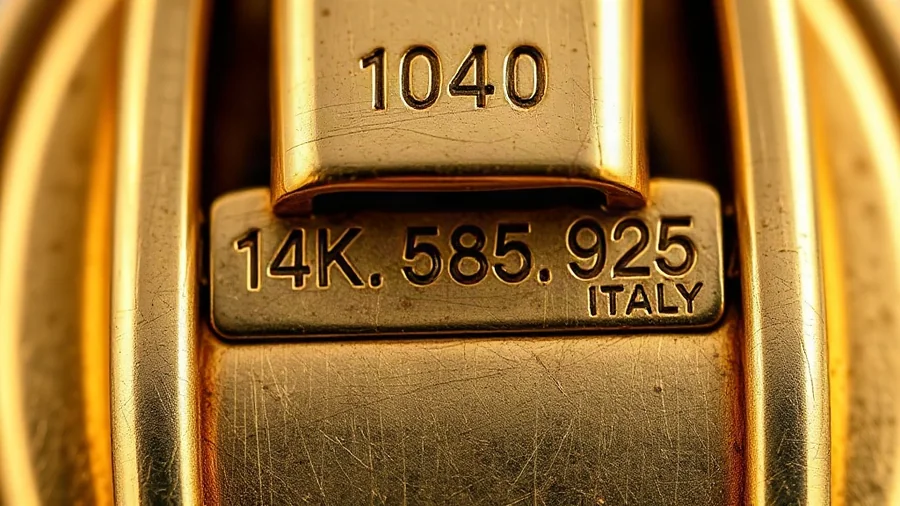
Beyond gold, 925 Sterling Silver remains a cornerstone of sacred jewelry. Silver, associated with the purity of the Virgin, provides a luminous alternative to gold. When combined with 14K gold accents—a technique known as "two-tone"—the jewelry can symbolize the union of the human (silver) and the divine (gold). When evaluating the quality of any Guadalupe piece, the curator looks for the "punzón" or hallmark. A genuine 14K piece will be stamped "14K" or "585"; a gold-filled piece will bear "GF"; and a silver piece will be marked "925." The care of these pieces involves the use of non-abrasive cloths and, for solid gold and silver, professional polishing to remove the patina of time, thereby restoring the radiance of the sacred image for the next generation of believers.
14K Gold Plated / Baño de Oro 14K con acabado de orfebrería fina.
Prime Delivery Guaranteed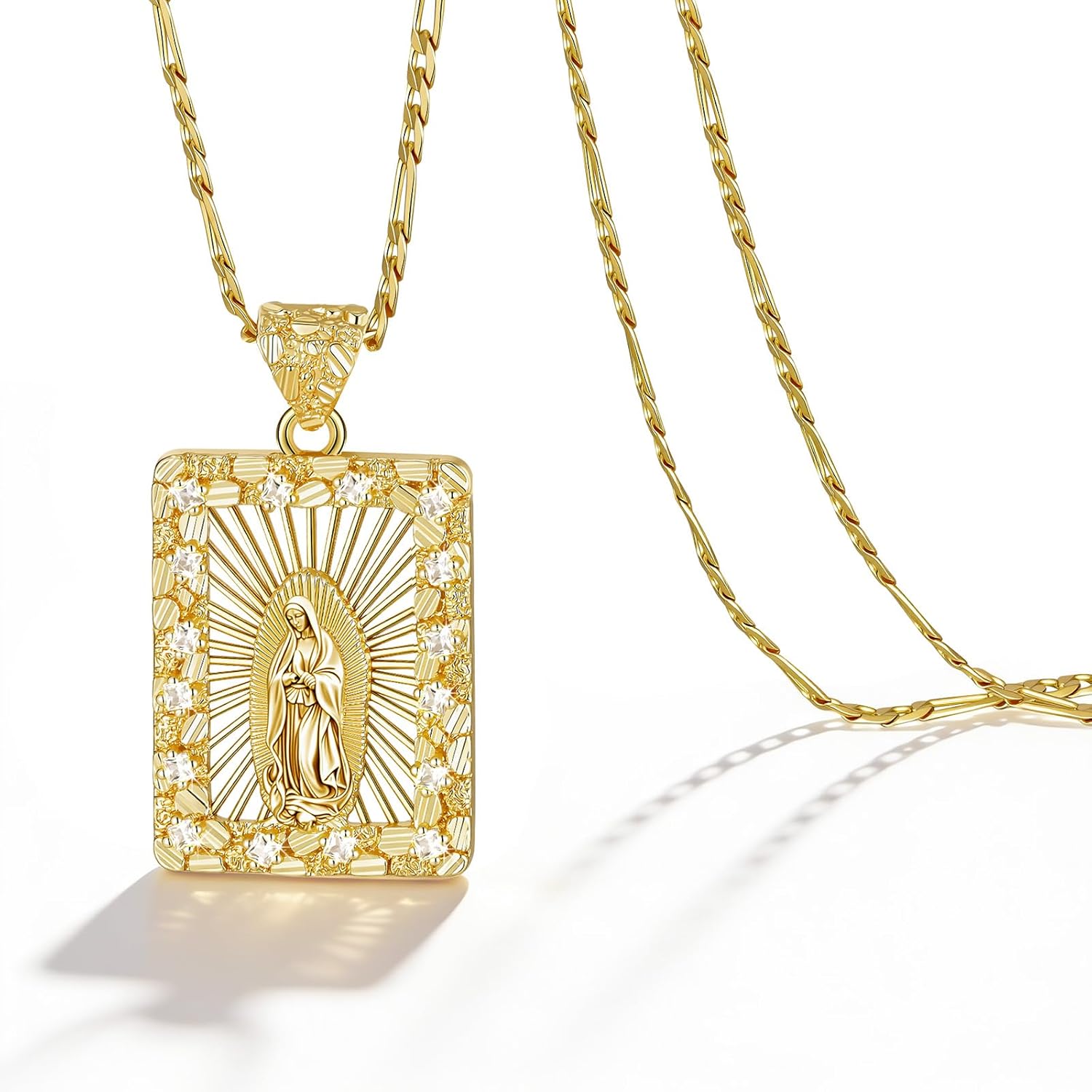
14K Gold Plated / Baño de Oro 14K con acabado de orfebrería fina.
Prime Delivery Guaranteed
14K Gold Plated / Baño de Oro 14K con acabado de orfebrería fina.
Prime Delivery GuaranteedWhen selecting a Guadalupana piece, always prioritize certified precious metals (solid nickel-free 14K gold or Italian 925 sterling silver). Upon receiving it, take it to your parish priest for a traditional Catholic blessing to consecrate it as an enduring sacramental of protection.
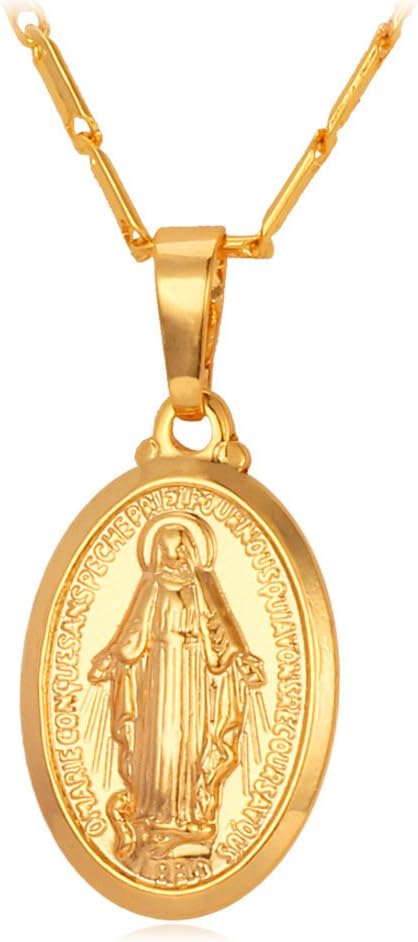
18K Gold Plated / Baño de Oro 18K con acabado de orfebrería fina.
Prime Delivery Guaranteed
18K Gold Plated / Baño de Oro 18K con acabado de orfebrería fina.
Prime Delivery Guaranteed
18K Gold Plated / Baño de Oro 18K con acabado de orfebrería fina.
Prime Delivery GuaranteedFor daily wear, the recommendation is unequivocally 14K Solid Gold or, as a high-quality alternative, Gold-Filled. Daily use exposes jewelry to a constant barrage of environmental stressors: the acidity of human sweat, the chemicals in soaps and lotions, and the physical friction against clothing. 14K gold is the only material that is entirely impervious to corrosion and will not "wear off," ensuring that the image of the Virgin remains pristine regardless of the frequency of use. It is the gold standard for those who view their jewelry as a lifelong companion in prayer. If the budget does not allow for solid gold, Gold-Filled is the superior choice over gold-plated. Because the gold layer is mechanically bonded and significantly thicker, it can withstand years of daily wear before showing any signs of the base metal. Gold-plated jewelry, conversely, is not designed for daily attrition; the thin layer of gold will inevitably erode, which may be spiritually disheartening for a piece intended to represent an eternal devotion. Therefore, for a "life-long" devotional piece, prioritize 14K or Gold-Filled.
Yes, in the Catholic tradition, it is highly recommended that a devotional medal be blessed by a priest. A blessing is not a "magic spell" that changes the physical properties of the metal, but a prayer that sets the object apart for a sacred purpose. The blessing transforms the piece of jewelry into a sacramental, an instrument that helps dispose the wearer to receive grace and reminds them of the intercession of the Blessed Virgin Mary. The blessing is focused on the intention and the image, not the material value. The metal used—whether it is 14K gold, silver, or gold-plated—has absolutely no bearing on the efficacy of the blessing. God does not require expensive materials for a prayer to be heard, nor does the nobility of the gold increase the spiritual power of the sacramental. A humble gold-plated medal blessed by a priest carries the same spiritual significance as a solid gold medallion. The value lies in the faith of the believer and the authority of the Church, not in the karatage of the metal.
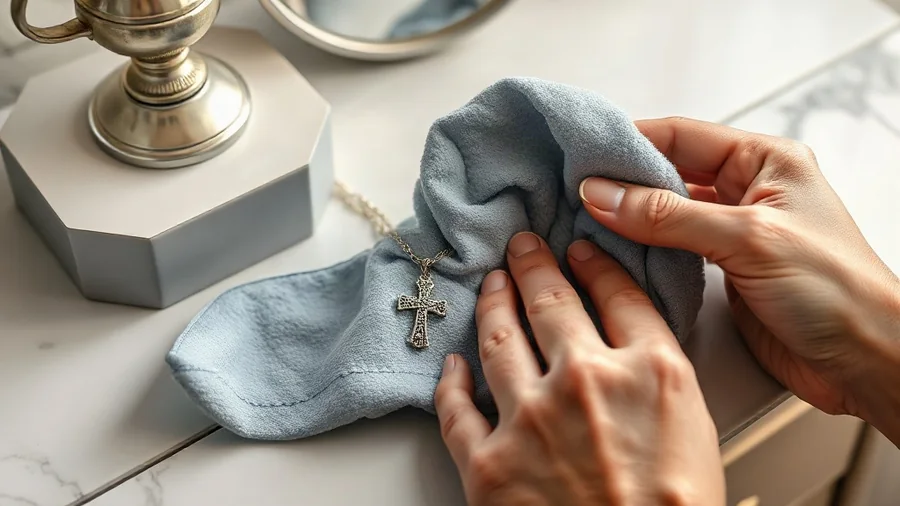
Care varies significantly by material. For 14K Solid Gold and 925 Silver, the primary concern is the accumulation of oils and dust. These pieces can be cleaned with mild soap and warm water, then dried with a soft microfiber cloth. For silver, a specialized polishing cloth is recommended to remove tarnish. Because these metals are solid throughout, you can be aggressive with cleaning without fear of "removing" the gold or silver. For Gold-Filled and especially Gold-Plated jewelry, the approach must be far more delicate. You must avoid all harsh chemicals, including perfumes, hairsprays, and chlorine. The best practice is to put your jewelry on *after* applying all beauty products. To clean a plated piece, use only a damp, soft cloth; avoid scrubbing or using chemical jewelry cleaners, as these can strip the thin gold layer. Storing the piece in a separate airtight pouch prevents scratches and oxidation, ensuring the radiant image of the Virgin remains vivid for as long as possible.
Absolutely. In many Catholic cultures, the "medalla de la Virgen" is one of the most cherished family heirlooms, often passed from grandmother to granddaughter. When a piece is crafted in 14K Solid Gold, it becomes a literal and spiritual legacy. Because solid gold does not degrade, the medal that a great-grandmother wore during her times of trial remains physically identical when it reaches the hands of her descendant. This continuity creates a powerful spiritual link across generations, turning the jewelry into a silent witness to the family's enduring faith. While gold-filled pieces can last a long time, they may eventually require professional refurbishing. Gold-plated pieces are rarely passed down as heirlooms because they lack the durability to survive decades of wear. Therefore, if the intention is to create a "prayer legacy"—a piece that will be worn by future generations as a sign of family identity and devotion—investing in 14K gold is the most prudent choice. It ensures that the material presence of the Virgin of Guadalupe remains an unbroken chain of faith in the family lineage.
Affiliate Disclosure: As an Amazon Associate, this devotional portal earns from qualifying purchases at zero additional cost to you.
Find the perfect sacred piece in 3 simple steps
Handpicked based on your preferences and occasion